
The Half-Empty, Half-Full Basket
Basic information
Teaser
The time has come when an e-commerce retailer can profit from webshop visitors even if they don't buy anything—it's not magic, it's the gold mine of modern commerce: retail media. While others are lamenting current advertising prices, the most successful retailers are building an independent media business from their traffic and data.
What is Retail Media?
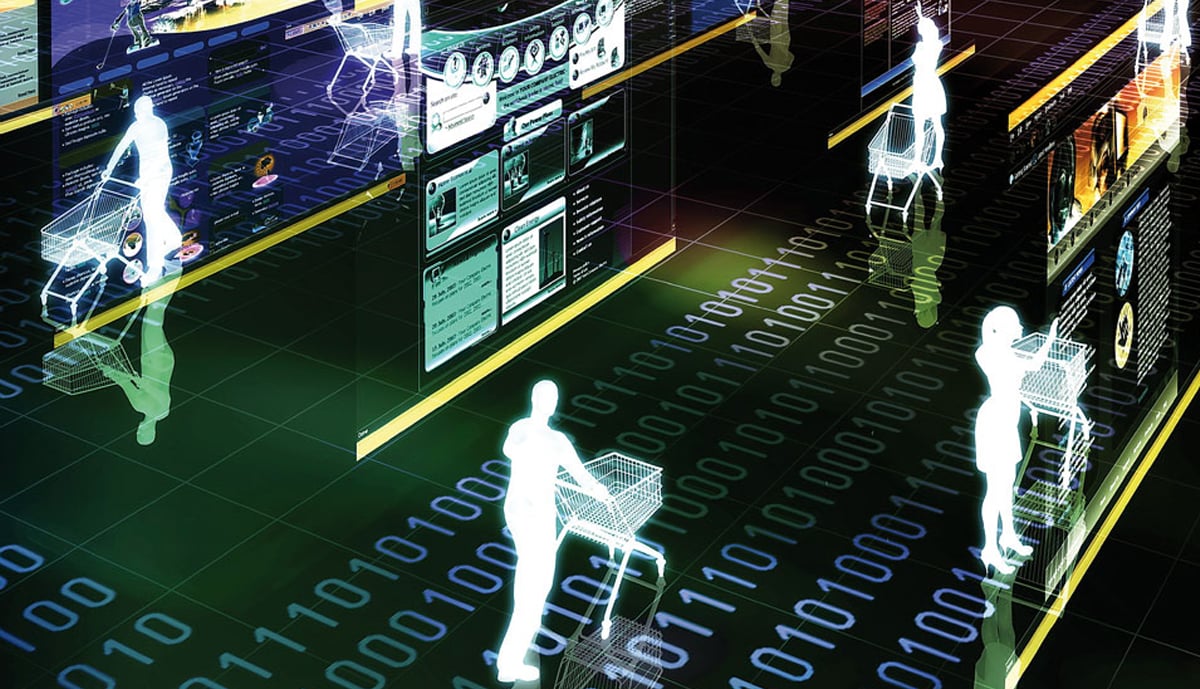
Retail media is one of the most dynamically growing areas of the digital advertising market, where retailers (typically e-commerce, but also brick-and-mortar stores) sell their own digital advertising spaces (e.g., webshop, app, customer data, digital displays, or their social media pages) and their customer database as advertising assets (inventory) to suppliers and/or advertiser brands.
How Do Retailers Make Money from Ads?
Digital shelf space (on-site ads): Advertisers pay a high price to appear where visitors are making purchasing decisions. This is the most important revenue source for retail media owners, from product recommendations to displaying banners.
Data sales (off-site ads): Retailers and data aggregators sell their audience data in collaboration with advertisers, agencies, online publishers, and sales houses. Ads appear on external media surfaces, where the retailer's data ensures precise targeting.
In-store ads: Digital advertising opportunities within physical stores, such as displays, audio and video ads, and self-checkout ads.
Where Does Retail Media Stand Today?
Retail media has significant potential but is still in its infancy in many respects. The current situation presents a good entry point for entrepreneurial webshop owners who want to capitalize on their potential media assets. Retail media is still mostly part of trade marketing, focusing primarily on collaborations with suppliers (endemic), rather than being defined as a standalone advertising service separate from commercial activity.
Widespread Formats
The most common retail media solutions are:
- Newsletter ads
- Image/animated banners
- Sponsored product placements
- Product highlights in search lists
Data-Driven Targeting
One of the biggest advantages of retail media is personalized targeting based on customer data. Retailers collect a lot of data on shopping habits and preferences, which allows for highly targetable ads. The largest unique customer databases belong to retail chains with extensive networks.
How Do I Know I'm a Retail Media Owner?
The majority of e-commerce retailers are unaware or don't consider it significant that they own media assets, even though shelf money is a familiar concept to almost everyone. Shelf money is paid by a supplier in retail to keep their product in front of shoppers in stores. Branded or promoted products get a prominent spot, while those who want cheaper, non-branded products will bend down to the bottom shelf anyway.
Simplified, retail media includes any digital solution, in webshops or physical stores, that can increase the visibility of a product or brand being sold. Besides digital shelf money (endemic retail media), retail media also includes advertising for products, services, or brands not available in a specific store (e.g., cars, financial or travel services), which is known as non-endemic retail media, as well as data sales independent of proprietary advertising spaces.
The opportunities listed below are not rocket science, and it's highly likely that every e-commerce and physical store owner can easily recognize the potential retail media assets in their own business.